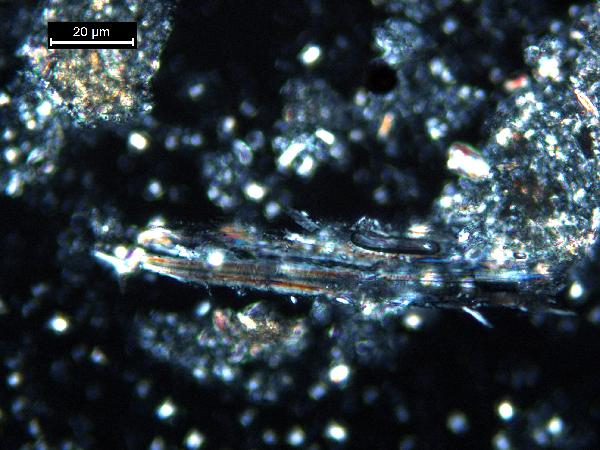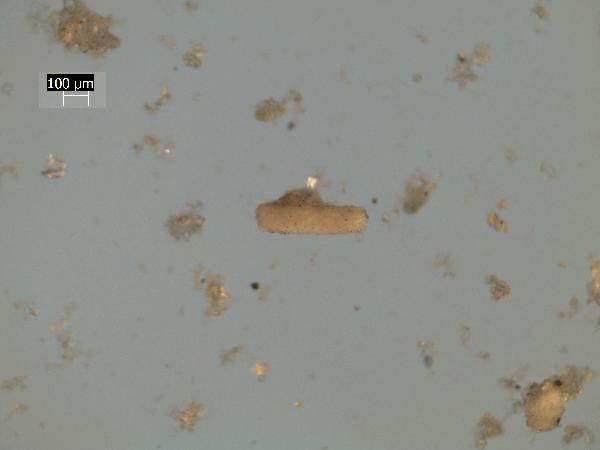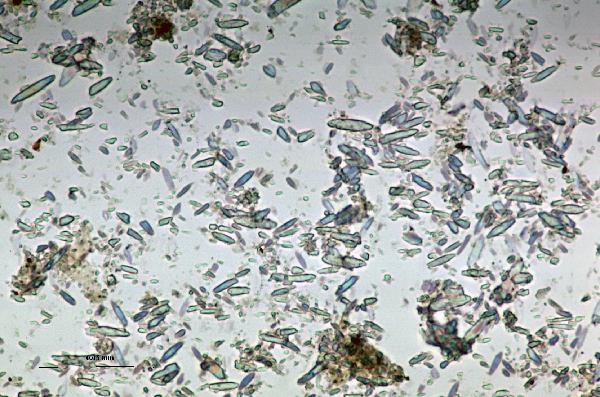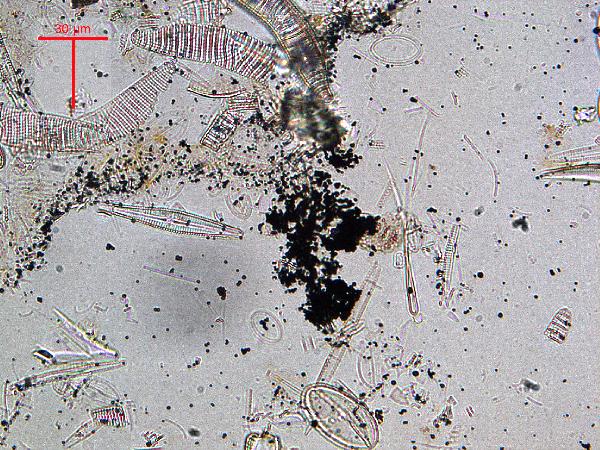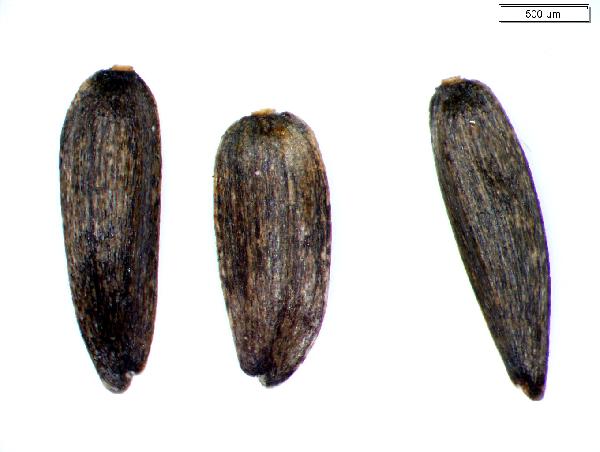

TMI is designed to help both the novice and expert identify lacustrine and marine sedimentary components using microscopy. The tool emphasizes visual reference materials supported by written expert guidance on identification and interpretation.
Smear slides are a simple and powerful tool for the characterization of unconsolidated sediment. Used as a part of visual core description, they provide a tremendous amount of information about past depositional environments, geochemistry and mineralogy, and flora and fauna.
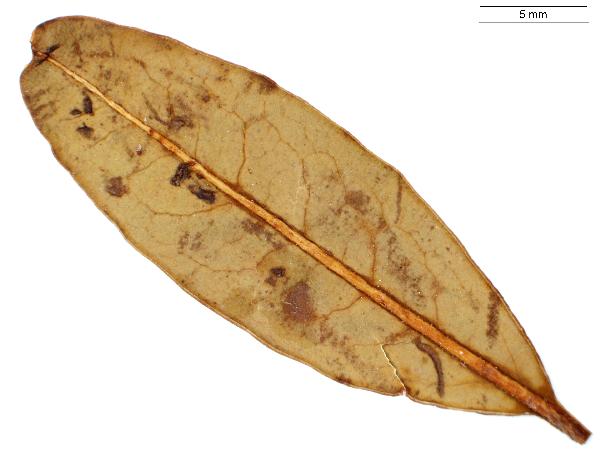
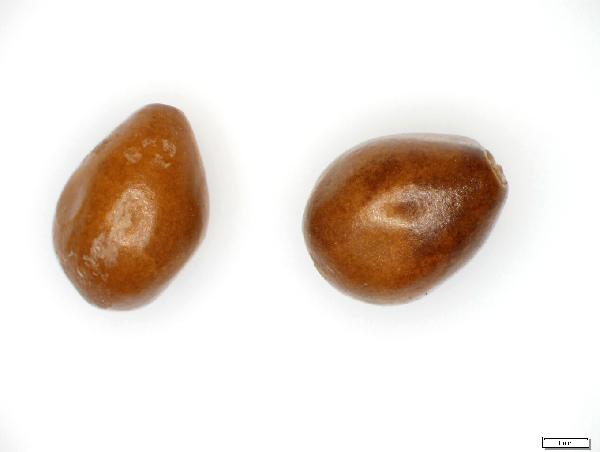
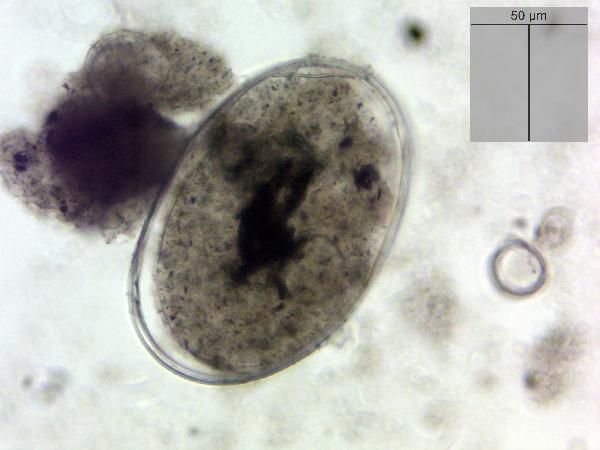
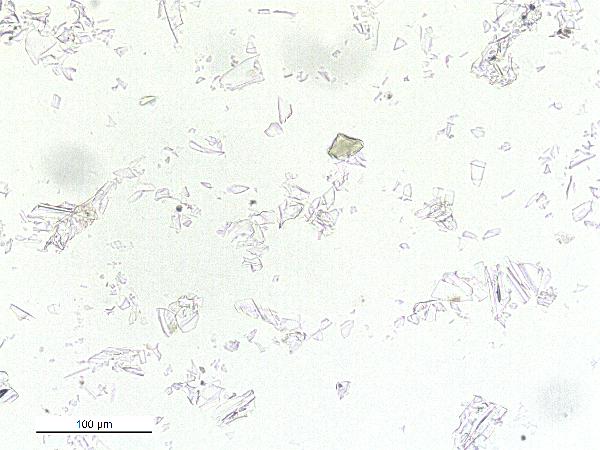
Our original focus was solely on smear slides of minerals and mineraloids as viewed in the polarizing light (petrographic) microscope, but the tool has expanded to include many other things: biological components that may be encountered while analyzing smear slides, macroscopic components typically viewed under a dissecting microscope, and macroscopic images of cores illustrating sedimentary features and coring/drilling artifacts.
The development and growth of TMI was funded by NSF Geoinformatics (EAR-1226265), NSF Instrumentation and Facilities (EAR-1462297), and a University of Minnesota Interdisciplinary Informatics Seed Grant. The Continental Scientific Drilling Facility continues to maintain TMI in support of the core sciences community.
116 Church Street NE, Minneapolis, MN 55455
P: 612-626-7889